
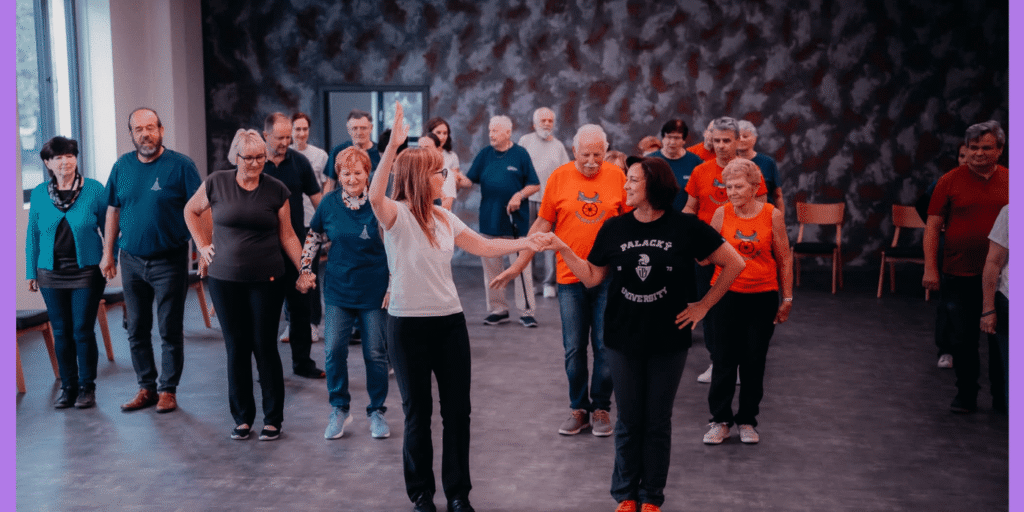
As part of the NeuroDance project, partners across Europe celebrated the European Week of Sport 2025 with a variety of inclusive, engaging, and community-focused events. Designed to promote physical activity, social connection, and wellbeing—especially among people with Parkinson’s disease—these events showcased how movement, dance, and sport can unite and empower participants of all ages and abilities.
Slovenia: Scientific Insights and a Friendly Triathlon
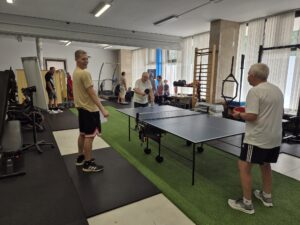
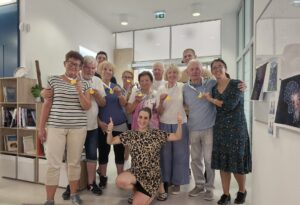
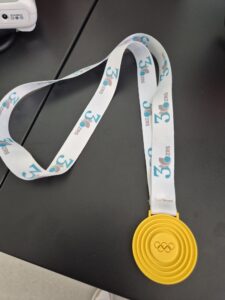
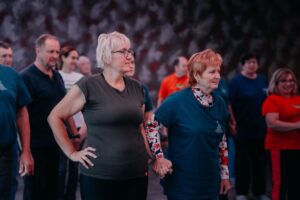
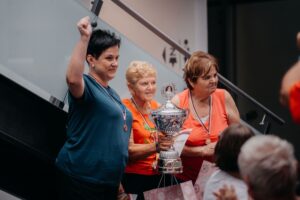
On 22 September 2025, the Slovenian NeuroDance team invited the local community to a light-hearted Triathlon social competition at the Mediterranean Health Centre ZRS Koper. The event blended sport and fun, offering challenges that tested strength, balance, and coordination—from table tennis to various physical activities. Participants enjoyed an energetic morning, friendly rivalry, and a relaxed social atmosphere. While medals awaited the winners, the true highlights were the smiles, movement, and sense of connection. Everyone was encouraged to come in comfortable sportswear and to bring along friends or family.
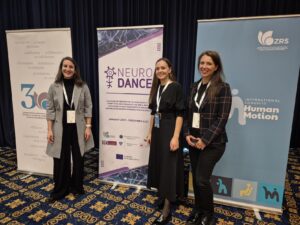
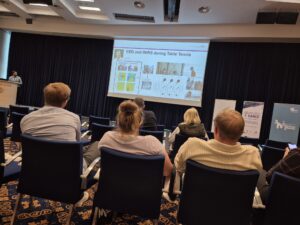
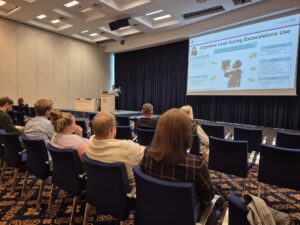
Just a few days later, on 30 September 2025, attendees gathered at Grand Hotel Bernardin in Portorož for a public scientific lecture by Dr. Robert Stojan, researcher and lecturer at Martin Luther University Halle-Wittenberg. His presentation, “Mobile brain imaging in everyday-like tasks: Insights into motor-cognitive interaction in aging and Parkinson’s disease”, offered valuable research perspectives on brain–body interactions and age-related motor changes.
Czech Republic: Bowl-Dance in Olomouc
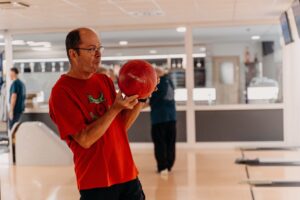
On 26 September 2025, the Faculty of Physical Culture at Palacký University Olomouc hosted a vibrant event titled “Bowl-Dance”. Bringing together individuals with Parkinson’s disease from Olomouc, Brno, Rožnov pod Radhoštěm, Ostrava, and Zlín, as well as members of the general public, the event merged sport, dance, and community engagement.
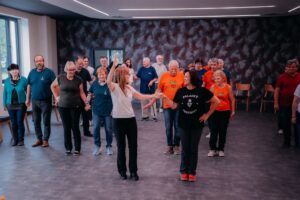
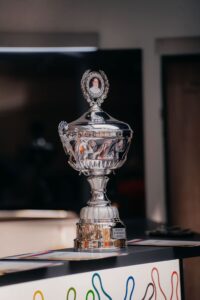
The long-standing bowling tournament “Memorial of Josef Salavec” was enriched this year by the inclusion of NeuroDance. Participants not only enjoyed the friendly bowling competition but also joined a demonstration of dance-based activities designed specifically for people with Parkinson’s disease. The lively atmosphere fostered encouragement, laughter, and new motivation. The dance segment highlighted how rhythm and movement can boost confidence and create inclusive shared experiences—capturing the spirit of NeuroDance.
The event was organized in cooperation with the Department of Physiotherapy, Parkinson Club Olomouc, and the Parkinson Society, underscoring the project’s mission to enhance physical activity, inclusion, and quality of life.
Greece: Dance and Boccia in Thessaloniki
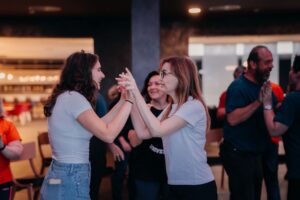
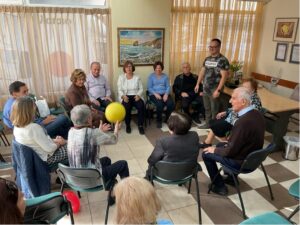
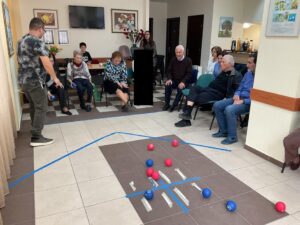
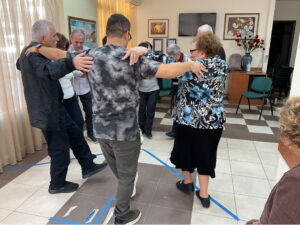
In Thessaloniki, the Greek team held their European Week of Sport event on 23 November 2025, in partnership with the Northern Greece Parkinson’s Disease Association. The program, titled “Dance and Boccia”, welcomed people with Parkinson’s disease along with their families, friends, and caregivers.
The day began with presentations on the importance of physical activity in supporting the wellbeing and daily functioning of people with Parkinson’s disease. This was followed by an experiential session featuring Boccia games and dance exercises inspired by the NeuroDance methodology.
Boccia proved to be a highlight—accessible, enjoyable, and inclusive. Participants of all ages and motor abilities could take part on equal footing. One memorable moment saw an elderly participant with Parkinson’s disease outscore an energetic 8-year-old child while throwing from a seated position. The joy shared among patients and the satisfaction expressed by caregivers reflected the event’s deep impact.
Germany: From Awareness to Clinical Practice
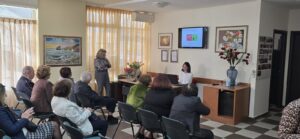
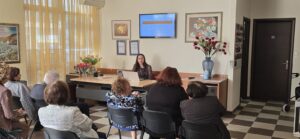
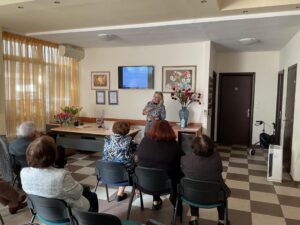
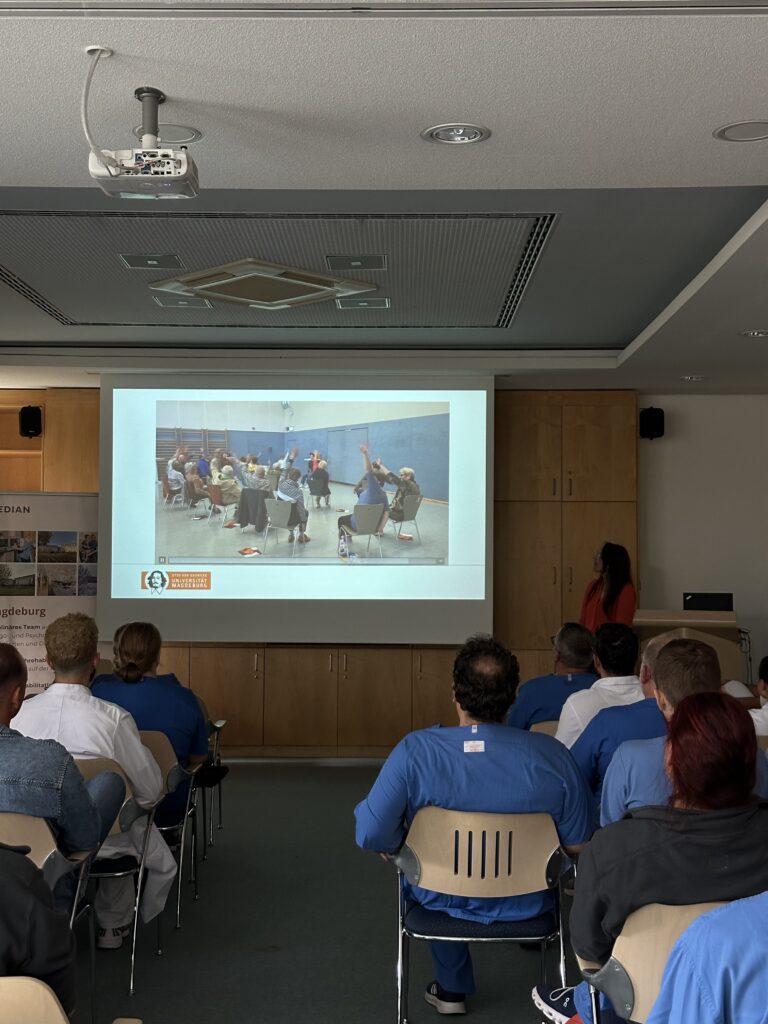
In Germany, the European Week of Sport opened doors between research and healthcare practice. At the invitation of Prof. Dr. Sailer, representatives of the NeuroDance project visited the Median Neurological Rehabilitation Clinic, where the project was presented to more than 30 medical doctors and therapists.
Dr. Kathrin Rehfeld and Ulrike Groß shared the NeuroDance concept, along with its theoretical foundations and early practical experiences. The discussion sparked strong interest among clinical professionals, leading the clinic to express its intention to integrate NeuroDance principles into daily rehabilitation therapy. Plans for follow-up educational sessions and tailored dance choreographies for people with Parkinson’s are already underway—an example of how European Week of Sport activities can lead to lasting change.
A shared European Message
Across four countries, the International Games Week showed how diverse activities—from bowling and dance to scientific lectures and clinical collaboration—can all serve a shared purpose. Under the auspices of the NeuroDance project, the events promoted healthy lifestyles, raised awareness of Parkinson’s disease, and demonstrated the power of sport and movement to connect people across borders.
Together, these celebrations reminded audiences that sport is not only about performance, but about participation, dignity, and community—values at the very heart of the European Week of Sport.